Slow websites are frustrating—both for visitors and the businesses behind them. If you’ve ever clicked on a link and waited… and waited… you already know exactly how quickly interest can disappear. In the world of ad agency website design, loading speed isn’t just a “nice-to-have”; it directly affects how long users stay, how they interact with your content, and whether they trust your agency in the first place.
For potential clients, a slow site feels like a red flag. If an agency can’t present its own work quickly and smoothly, how will it handle a client’s project? The good news is that speed issues almost always have a fix. With the right performance optimization—from compressing images to cleaning up bloated plugins—you can transform a sluggish site into one that feels sharp and effortless.
Think of it like tuning a car. The engine might be powerful, but without maintenance, it won’t deliver its best. This article breaks down why loading speed matters, what slows your site down, and the easy steps you can take to speed things up without turning your website into a technical headache.

Why Loading Speed Matters for Ad Agency Website Design
A fast-loading website isn’t just about convenience. It shapes how visitors perceive your brand from the moment the page appears.
First Impressions Happen in Seconds
Most users decide whether to stay or bounce within three seconds. A slow website can unintentionally communicate:
- “This agency is outdated.”
- “This experience is going to be clunky.”
- “I don’t trust that this team can handle my digital needs.”
Research published in Google’s mobile performance report shows that as page load time increases from one to five seconds, the probability of bounce increases by 90%. In an industry built on creativity and precision, that’s a huge missed opportunity.
Slow Speed Affects More Than User Patience
Loading speed impacts:
- Search ranking: Faster sites are favored by Google’s Core Web Vitals.
- Conversion rate: Potential clients are more likely to reach your contact page.
- Engagement: Visitors are more willing to explore case studies, portfolios, and service pages.
A quick, smooth experience makes your brand feel modern, capable, and trustworthy—qualities every potential client looks for.
What Causes Slow Loading on Agency Sites?
Websites slow down for many reasons, and most of them build up over time without you noticing.
Heavy Images and Unoptimized Graphics
Agencies love visuals—design mockups, campaign images, portfolio pieces—but large files can weigh your site down. A single uncompressed hero image can be several megabytes and take ages to load.
Too Many Plugins
WordPress plugins are useful, but using too many is like carrying a backpack full of things you might need but don’t really use. Each one adds weight and slows the site.
Poor Hosting
Cheap hosting is tempting, but slow servers create delays before your page even starts loading. It’s like trying to run a marathon with worn-out shoes.
Bloated Themes or Templates
Some themes pack in features you’ll never use, creating a slower website right from the start.
Understanding these root causes makes it easier to choose the right solution.
Practical Ways to Optimize Loading Speed
Now let’s walk through simple and effective ways to boost performance. These are all beginner-friendly and don’t require a tech background.
Compress and Resize Images
Images are often the biggest culprit. Reducing file sizes can dramatically speed up your site.
Try:
- Compressing images with tools like TinyPNG or WP Smush
- Using modern formats like WebP
- Resizing images to the exact dimensions needed
A quick test: if your images look the same after compression, you’ve gained speed without losing quality.
Choose Lightweight Themes
Minimal themes load faster and make site management easier. Look for templates built with speed in mind and avoid ones filled with animations you don’t need.
Limit Plugins to the Essentials
Every plugin adds scripts that need to be loaded. Audit your plugins and uninstall anything unnecessary.
Categories to remove may include:
- Plugins that duplicate features your theme already offers
- Old or unused plugins
- Plugins with poor reviews or outdated updates
Upgrade Hosting When Needed
If your hosting service frequently slows down or crashes during high traffic, consider switching. Managed WordPress hosting or cloud hosting options often provide better performance and reliability.
Use a Caching Plugin
Caching keeps a ready-made version of your page available so it doesn’t need to be reloaded from scratch each time.
Popular options include:
- W3 Total Cache
- WP Rocket
- LiteSpeed Cache
It’s like saving a shortcut instead of recreating a route every time.
Enable a CDN
A Content Delivery Network stores versions of your site across locations around the world. Visitors access a nearby server, making load time much faster.
This is especially helpful if your agency works with international clients.
How Performance Optimization Fits Into Ad Agency Website Design
This is where things come together. Ad agency website design isn’t just about bold visuals; it’s about creating an experience that feels effortless.
A Faster Site Shows Your Professionalism
Potential clients judge your work long before they reach your portfolio. A smooth, fast-loading site reflects your attention to detail and understanding of digital best practices.
It Strengthens the Value of Your ad agency website design Services
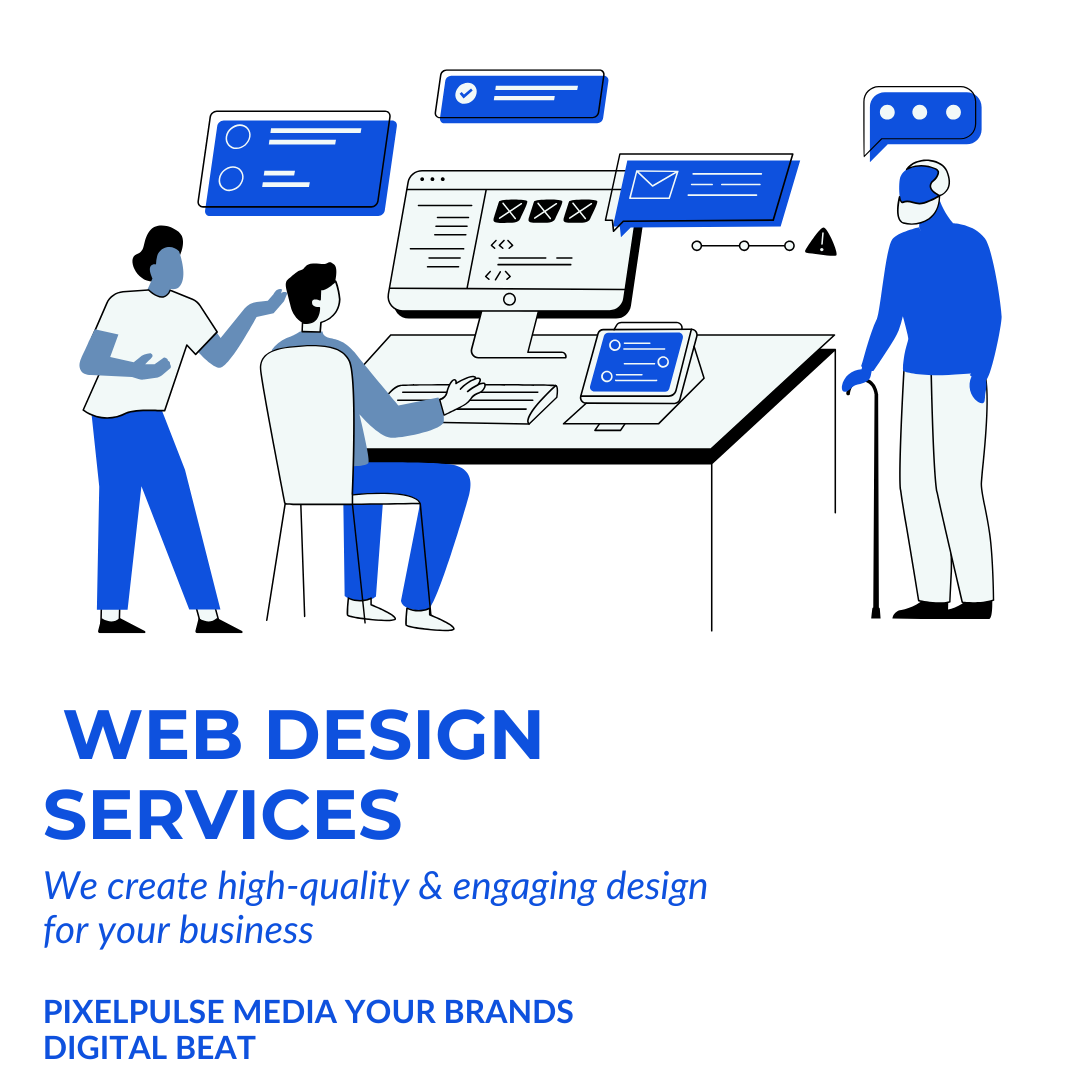
When website design services include optimization, your clients benefit from a site that looks great and performs well. It’s not about selling—it’s about showing that performance is part of a complete, functional website.
It Helps Visitors Explore Your Work More Easily
Faster load times encourage visitors to browse case studies, read insights, and contact your team—because the experience feels natural and enjoyable.
Website performance becomes a quiet but powerful part of the story you’re telling.
- Real-World Example: A Simple Fix Making a Big Difference
Imagine someone visiting your ad agency’s portfolio page. There’s a beautiful header image showcasing your best campaign. But the image is huge, so the page takes six seconds to load.
Within three seconds, the visitor gets impatient and leaves, never even seeing your work.
Now imagine that same image compressed to a smaller size. The page loads in under two seconds. The visitor stays longer, views multiple case studies, and eventually clicks through to your contact form.
One small change can shift the entire user journey.
- Conclusions on ad agency website design.
A fast website isn’t about fancy tech—it’s about giving potential clients a smooth, enjoyable experience from the moment they land on your page. When your ad agency website design includes performance optimization, you’re not only improving your site’s speed but also building trust, boosting engagement, and making your online presence feel friendly and reliable.
By compressing images, choosing lighter themes, removing unnecessary plugins, and using tools like caching or CDNs, you can significantly improve how your site performs without overwhelming yourself.
If you’d like to explore more tips on website design or performance, browse through our additional resources and keep building a site that works as hard as you do.